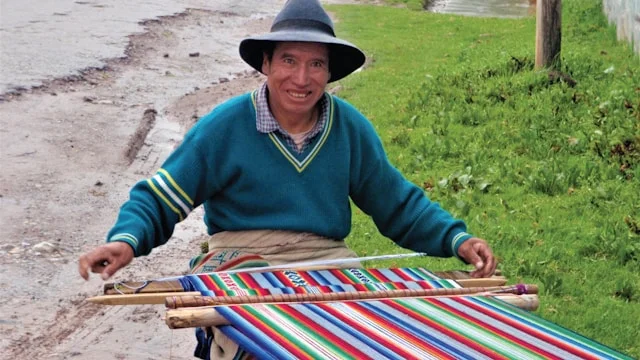
For those intrigued by unique cultural practices, tsunaihaiya offers a fascinating glimpse into a world rich with tradition and significance. Often cloaked in mystery, this term represents more than just a cultural event; it’s a tapestry of history, art, and community. Whether you’re a scholar, a cultural enthusiast, or someone simply curious about global traditions, this guide will serve as your comprehensive resource. We’ll explore the origins, significance, and modern interpretations of tsunaihaiya, equipping you with the knowledge to appreciate and engage with this unique cultural phenomenon.
What is Tsunaihaiya?
Tsunaihaiya is a term that carries with it a depth of cultural weight and historical relevance. While its precise definition can vary across contexts, it generally refers to a traditional practice deeply embedded in the cultural heritage of a specific region. The essence of tsunaihaiya often involves communal gatherings, artistic expressions, and ritualistic ceremonies that celebrate community identity and historical continuity.
History and Origins
The origins of tsunaihaiya can be traced back to ancient times, where it was first practiced as a form of communal celebration. Historical records suggest that tsunaihaiya played a crucial role in marking significant seasonal changes or commemorating historical events. Over centuries, it has evolved, influenced by various socio-political changes and cultural exchanges.
Key Figures and Influences
Throughout history, several key figures have emerged as pivotal in the propagation and preservation of tsunaihaiya. Individuals such as cultural leaders, artists, and historians have dedicated their lives to ensuring the continuity of this practice. Their contributions have not only shaped the practice itself but have also helped in adapting it to modern contexts.
Cultural Significance
The cultural significance of tsunaihaiya cannot be overstated. It serves as a bridge connecting the past to the present, allowing communities to maintain a sense of identity amidst a rapidly changing world. Tsunaihaiya is often imbued with symbolism, reflecting themes of unity, resilience, and harmony.
Symbolism and Meaning
Each element of tsunaihaiya carries symbolic meaning, often representing aspects such as fertility, prosperity, or ancestral respect. Understanding these symbols is key to appreciating the full depth of the practice, as they offer insights into the values and beliefs of the communities that uphold them.
Modern Influence and Adaptations
In today’s globalized world, tsunaihaiya has undergone various adaptations to remain relevant. Contemporary interpretations often blend traditional elements with modern artistic expressions, attracting a younger audience and ensuring its survival. These adaptations highlight the dynamic nature of cultural practices and their ability to evolve while retaining core values.
Global Impact
Tsunaihaiya has found recognition beyond its native region, influencing global art and cultural practices. International festivals and cultural exchanges have introduced tsunaihaiya to new audiences, fostering a greater appreciation and understanding of its significance.
How to Experience Tsunaihaiya Today
Experiencing tsunaihaiya firsthand is a rewarding endeavor. Whether through participation in festivals or attending workshops, there are numerous ways to engage with this cultural treasure.
Major Festivals and Events
- Annual Tsunaihaiya Festival: Held in the heart of its native region, this festival features performances, workshops, and exhibitions.
- International Cultural Expos: These events often include tsunaihaiya showcases, providing a platform for global audiences to experience its beauty.
Dos and Don’ts
- Do: Approach with respect and an open mind.
- Don’t: Disregard local customs or interrupt ceremonies.
- Do: Participate actively if invited.
- Don’t: Take photographs without permission.
Expert Tips and Strategies
To fully appreciate tsunaihaiya, consider these expert tips:
- Engage with local practitioners to gain authentic insights.
- Study the historical context to understand its evolution and significance.
- Participate in workshops to learn about the intricacies of traditional music and dance associated with tsunaihaiya.
Common Challenges and Solutions
Preserving tsunaihaiya faces several challenges, including globalization and cultural homogenization. However, communities are employing innovative strategies to address these issues:
- Challenge: Loss of traditional knowledge.
- Solution: Establishing cultural schools and mentorship programs.
- Challenge: Modernization pressures.
- Solution: Integrating traditional elements into contemporary art forms.
Future Trends and Predictions
The future of tsunaihaiya appears promising as it continues to garner interest globally. Predictions suggest a growing trend in digital and virtual platforms, which could revolutionize the way tsunaihaiya is experienced and taught. This shift may also lead to increased collaborations between traditional practitioners and modern artists, paving the way for innovative interpretations.
Actionable Takeaways and Implementation Steps
- Attend a tsunaihaiya event to experience its cultural richness firsthand.
- Engage with educational resources or online courses to deepen your understanding.
- Connect with local cultural groups or forums to share experiences and learn from others.
Frequently Asked Questions
- What is the significance of tsunaihaiya in contemporary culture?
Tsunaihaiya serves as a cultural touchstone, maintaining community identity and offering a sense of continuity in a modernizing world. - How has the concept of tsunaihaiya evolved over time?
It has evolved from traditional communal celebrations to include modern artistic interpretations, ensuring its relevance today. - Are there any prominent figures or works associated with tsunaihaiya?
Yes, several cultural leaders and artists have been instrumental in promoting and preserving the practice. - Where can I experience tsunaihaiya today?
Major festivals in its native region and international cultural expos often feature tsunaihaiya performances and workshops. - What are the key elements of a tsunaihaiya celebration?
Key elements include traditional music, dance, costumes, and communal rituals. - How can digital media impact the preservation of tsunaihaiya?
Digital platforms can facilitate broader dissemination and engagement, helping to preserve and adapt tsunaihaiya for future generations. - What challenges do communities face in preserving tsunaihaiya?
Challenges include cultural homogenization and the erosion of traditional knowledge, which communities are addressing through education and adaptation strategies.
By embracing both tradition and innovation, tsunaihaiya continues to captivate and inspire. Whether you choose to explore it through academic study, artistic engagement, or cultural participation, the journey offers valuable insights into a rich and enduring heritage. Embrace the opportunity to learn, appreciate, and share the wonders of tsunaihaiya.